Plastic Problems
Plastic is a refined product of crude oil that generally takes hundreds of years to degrade and decompose. Although we are increasingly aware of the need to consume less plastic (bags, bottles, toys, utensils, etc.), we still have a long way to go.
In Spain, only around 30% of plastic packaging is recycled.
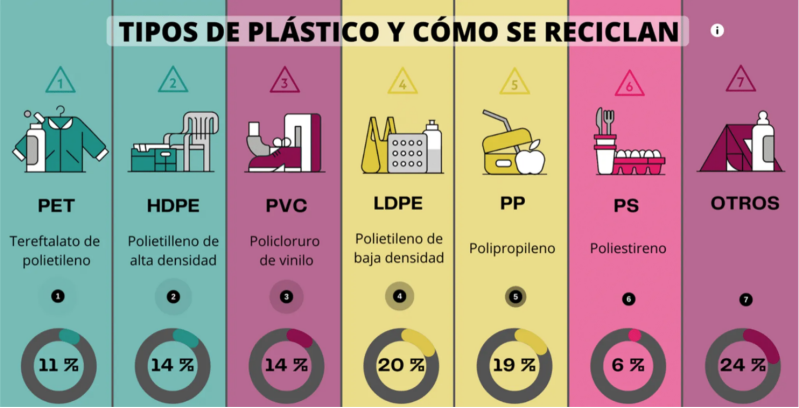
Take a look at the different types of plastic and the percentage of each type that can actually be recycled.
Did you know that each EU resident generated an average of 36.1 kg of plastic packaging waste in 2022? The volume of plastic packaging waste generated per capita increased by around 8 kg per person in the decade between 2012 and 2022 (Source: Parlamento Europeo).

What is a Plastic Attack?
A Plastic Attack is a collective action that consists of the following:
- After shopping, we leave the supermarket.
- Then we remove the products from their plastic packaging.
- We leave the packaging in shopping carts or on tables to visualise the waste we have generated.
- At the end of the action, the products are placed in reusable alternative bags.
- The packaging and wrappers are then taken for recycling.
In this way, it is easy to appreciate, at a glance, the large amount of unnecessary packaging found on many supermarket shelves.
As part of the action, you can encourage others to do the same by explaining the problems of the excessive use of plastics.
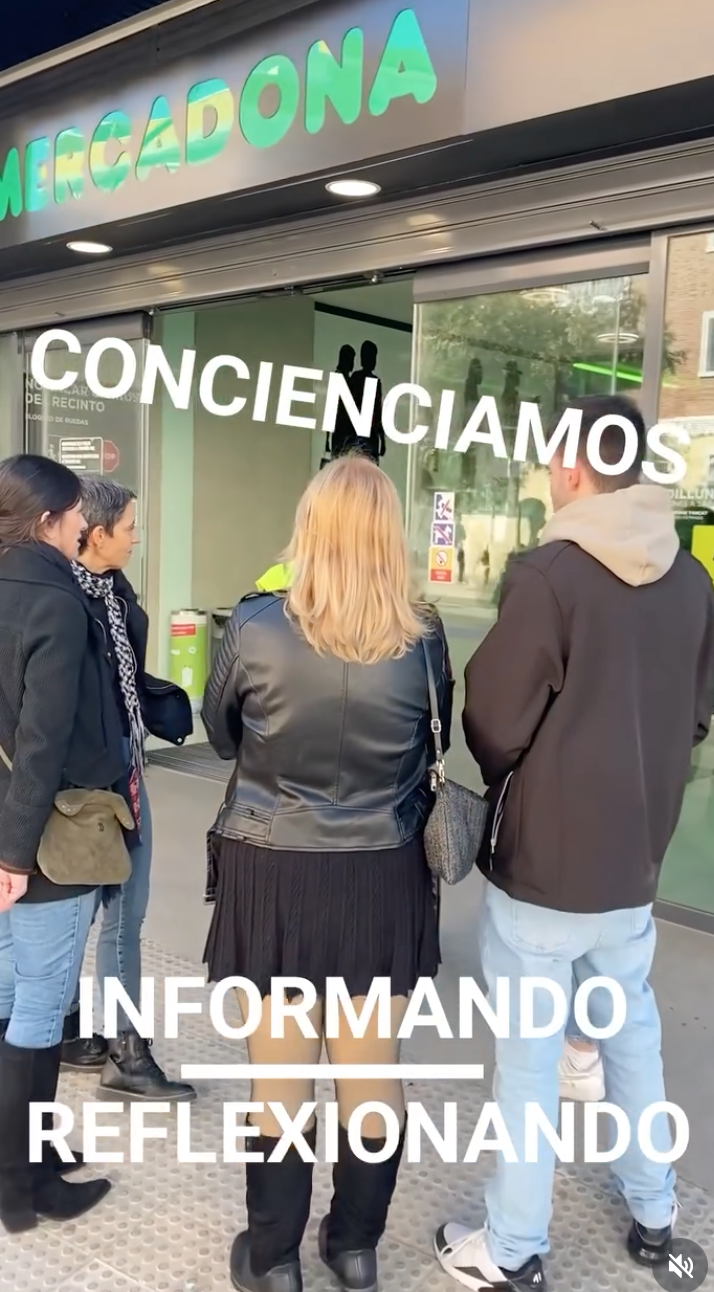
Plastic attacks are peaceful actions. It is common to choose a supermarket and speak beforehand with the staff, making it clear that it is a peaceful demonstration and not a personal protest.
Participants are advised to bring their own sustainable containers (baskets, cloth bags, etc.) to put the products in once they have removed their packaging.
Alternatives to crude oil plastic
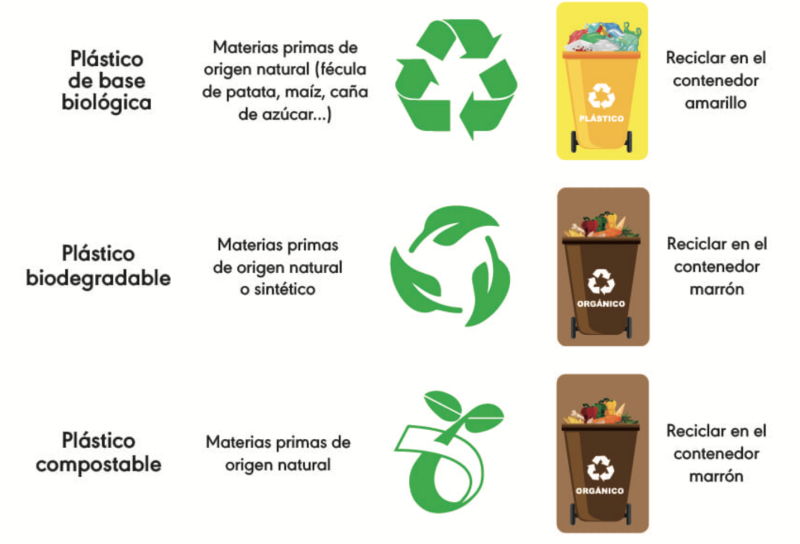
Fortunately, recycling is increasing in Spain, but tons of plastic packaging are still being produced, often ending up in the sea, in nature, or mixed with the soil where our food will grow.
Projects are being developed worldwide to curb plastic production and transition to biodegradable materials. Here are some alternatives:
Bamboo: versatile for cutlery, straws, and brushes; highly renewable and biodegradable.
Wood and cork: for utensils, cutting boards, and packaging, utilizing byproducts like coconut shells.
Palm leaves and sugarcane: ideal for compostable disposable plates and containers.
Bioplastics: made from plant sources such as potatoes or algae.